Headsets for Depression, Botox for Migraines, CRISPR for Food Poisoning
Here’s what’s happening in health tech.

Company of the Week
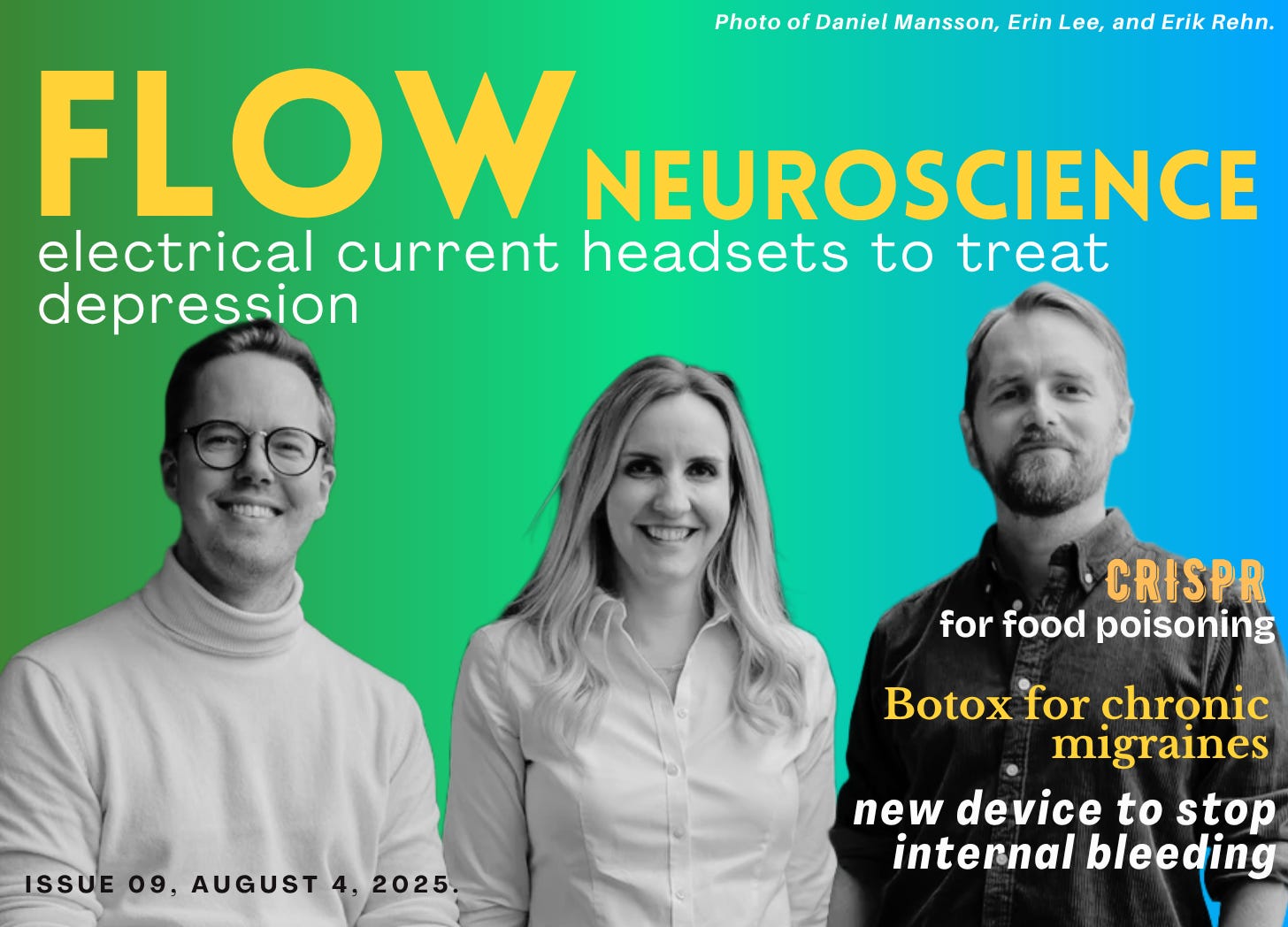
Flow Neuroscience: Treating Depression with an Electrical Headset
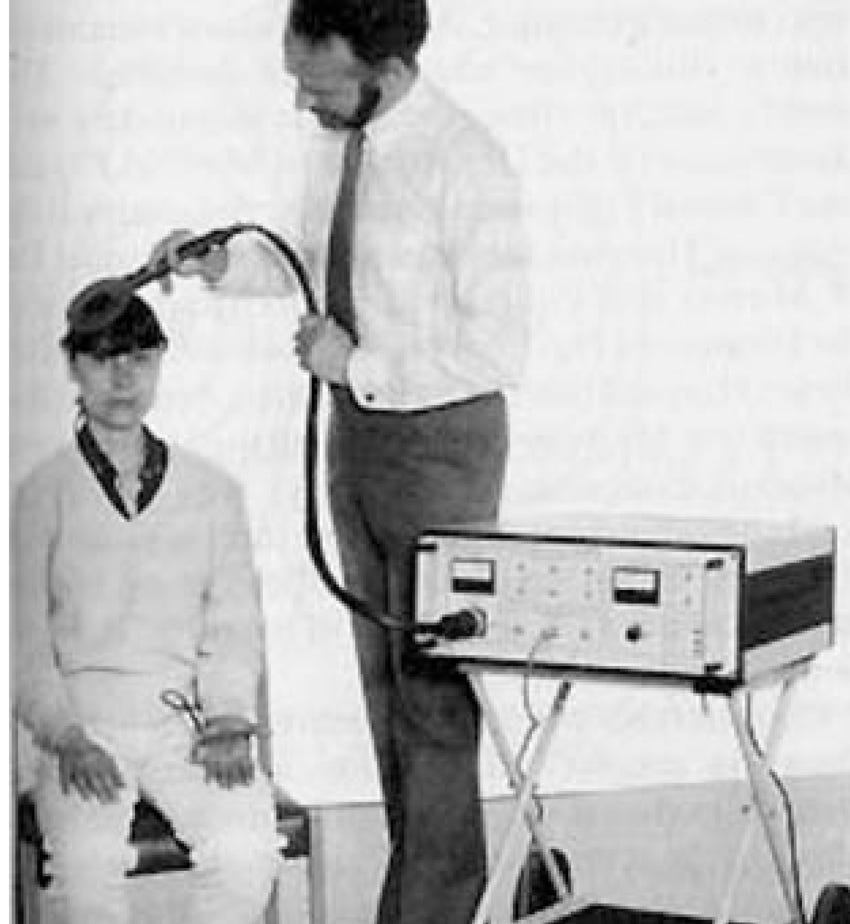
Using electrical currents to treat depression has been around since the 80s.
The idea is that people with depression have poorer connectivity between neurons on the left side of their dorsolateral prefrontal cortex — the part of the brain responsible for mood regulation, motivation and decision-making.
This means that this part of their brain is less active, and you can actually see this inactivity in PET scans when compared to people without depression.
So, using magnetic fields, clinicians can stimulate this left region of the brain, changing neural activity, and then (hopefully) changing mood.
This treatment is called transcranial magnetic stimulation, or TMS.
TMS has been fairly widely adopted in countries like the US and Canada, but it’s not available as standard treatment in the UK due to its high costs (both in the equipment itself and the psychiatrists who know how to use it).
However, in recent years there has been research on another similar treatment called transcranial direct-current stimulation (tDCS) that might be more accessible.
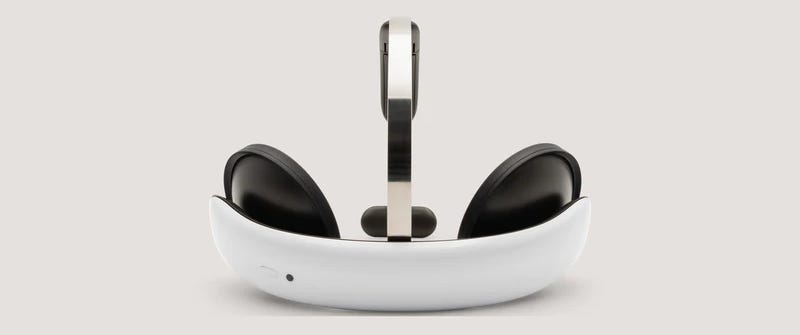
Flow Neuroscience is a Swedish company that has developed over-the-counter tDCS devices — with no prescription or psychiatrist required.
Their Flow Headset can be used at home, without any clinical supervision.
It works by sending a direct, low-level electrical current to the inactive left side of your brain.
Because tDCS uses much lower electrical currents, it is considered safer and can be self-administered at home, making it more cost-effective.
Patients just need to wear the headset for 30 minutes, five times a week, and can start to feel improvements in a few weeks.

The research on its effectiveness is currently mixed, with some studies showing significant improvement, whereas others show no effect.
But Flow’s headset is currently undergoing further research with the NHS in the hope of it becoming standard treatment that could be used alongside antidepressants and talk therapies.
Professor Valerie Voon, who specialises in neuropsychiatry at the University of Cambridge, believes the Flow Headset could become a viable treatment for people with mild to moderate depression, rather than severe or treatment-resistant depression.
“The kind of people who are likely to benefit could still be working but they’re struggling a bit. They might have needed to take a brief leave of absence, or they’re having difficulties with social interactions,” she says.
With the Flow Headset already available for purchase online, and being offered at four NHS Trusts across the UK, it already is more accessible than TMS.
If proven effective through further research, its potential widespread adoption for people with mild to moderate depression could be significant.
For more info about Flow Neuroscience check out:
“Is a brain-stimulation headset the answer to depression?” — The Guardian

3 Things I’ve Learned
1. Botox continues to show effectiveness as a longterm treatment for chronic migraines.
Botox has been offered as a treatment for chronic migraines in the UK since 2012.
It was actually discovered accidentally, when clinicians repeatedly reported that women who had received Botox for facial wrinkles also noticed a reduction in their headaches.
Botox works by interfering with the release of neurotransmitters, blocking pain signals that transmit from nerves to the brain.
Earlier this year, a new study spanning two years confirmed that Botox continues to be an effective form of treatment for people with chronic migraines if given repeated injections every 12 weeks.

2. Using CRISPR for precision microbiome editing could treat food poisoning.
Earlier this year, scientists successfully disabled a toxin gene in E. coli — a cause of severe food poisoning — in mice, while introducing beneficial genes that boost the immune system.
They achieved this through advanced CRISPR-based genome editing, a targeted method that transforms dangerous bacteria into harmless or even helpful forms.
This is a huge breakthrough as existing treatments like broad-spectrum antibiotics tend to damage healthy gut bacteria alongside the harmful bacteria.
“In addition to food poisoning, precision microbiome editing with CRISPR might one day be used to treat or prevent microbial problems like gum disease, metabolic conditions like obesity, and inflammatory conditions like asthma, autoimmune disorders, or heart disease — and these are just a few of the potential applications.” — Hope Henderson, from the Innovative Genomics Institute.

3. A small device helps to stop internal bleeding, giving trauma patients more time before having life-saving surgery.
“When it comes to trauma patients, every second counts”, says Dr Ted Scott.
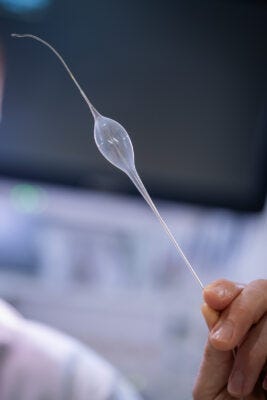
The COBRA-OS is a minimally invasive aortic occlusion device used to block the main artery in the body (the aorta) to stop or slow down heavy internal bleeding — giving severe trauma patients more time to get to an operating theatre.
Clinicians use it by inserting it through a small opening, usually in the leg, and moving it up to the aorta. They then inflate a small balloon inside the artery to block blood flow.
“This device is used to stabilise bleeding that can’t otherwise be controlled. The clinical team reviewing this case was of the opinion that without the use of the COBRA-OS, this patient would not have survived”, says Dr. Paul Engels, HHS trauma surgeon and trauma medical director.
Approved for use in 2024, the COBRA-OS is now being used across Europe, the US and Canada.

Thanks for reading!
Enjoyed this? Subscribe to get weekly insights on:
🔬 1 health tech company that’s doing something cool enough to write about
📚 3 things I’ve learned this week in the health tech space
🙋♀️ Got a health tech company, research, or feedback to share?
I’m always open to featuring health tech companies, new research, or job opportunities in future editions. And if you’ve got thoughts, questions, or spot a mistake, don’t hesitate to reach out — this newsletter is very much a work in progress!
Leave a comment or email me at sonias.substack@gmail.com —I’d love to hear from you! 😊
See you next week 👋